Guide 01 The Gym Lead-Response SLA: Who Replies, How Fast, and What Happens Next
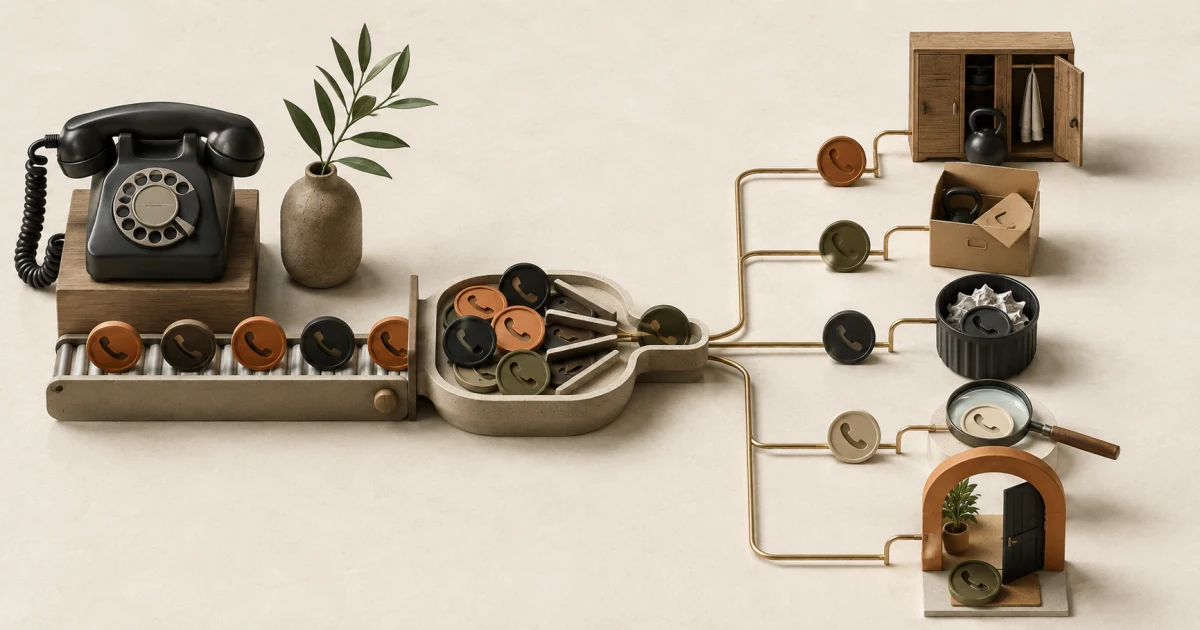
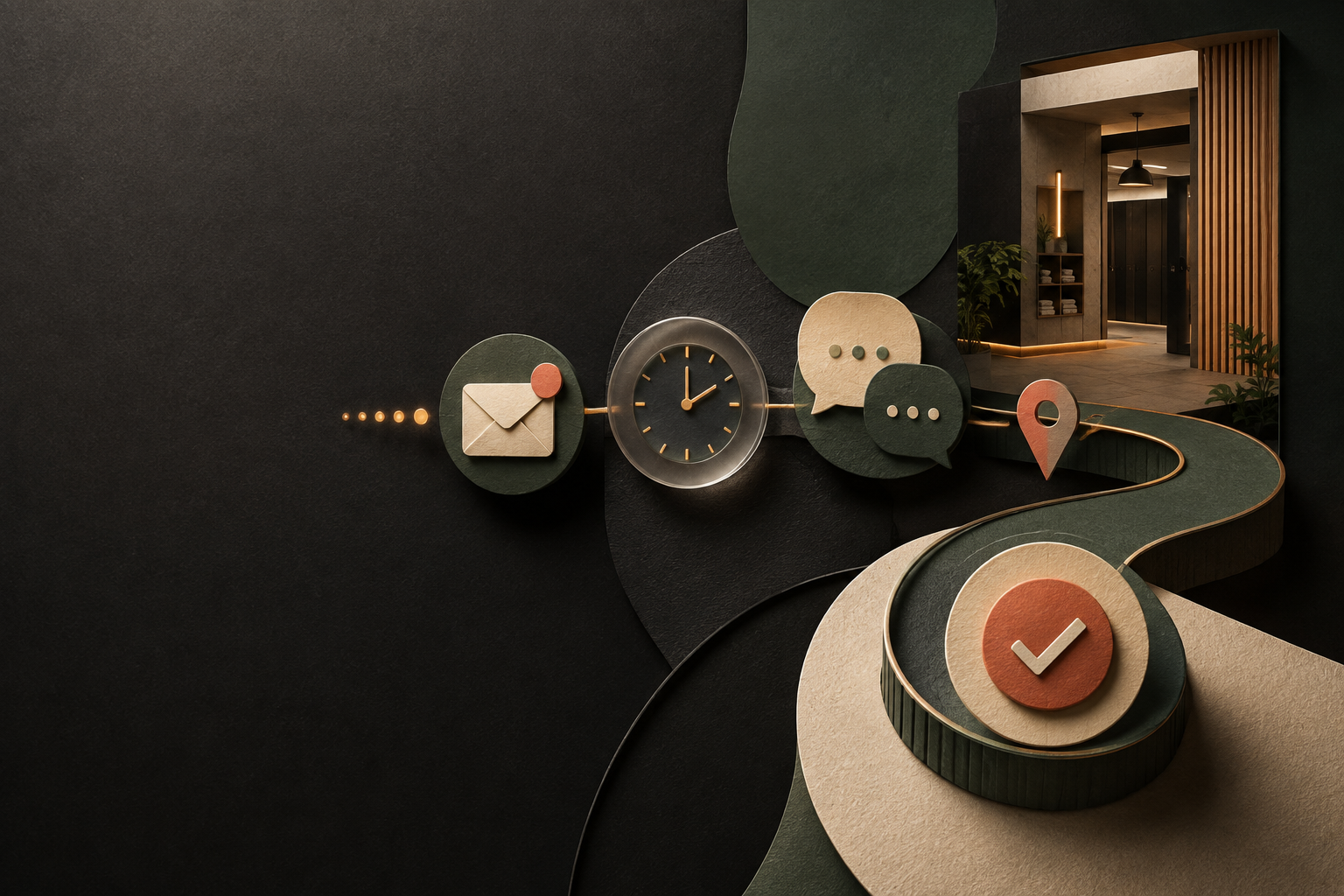
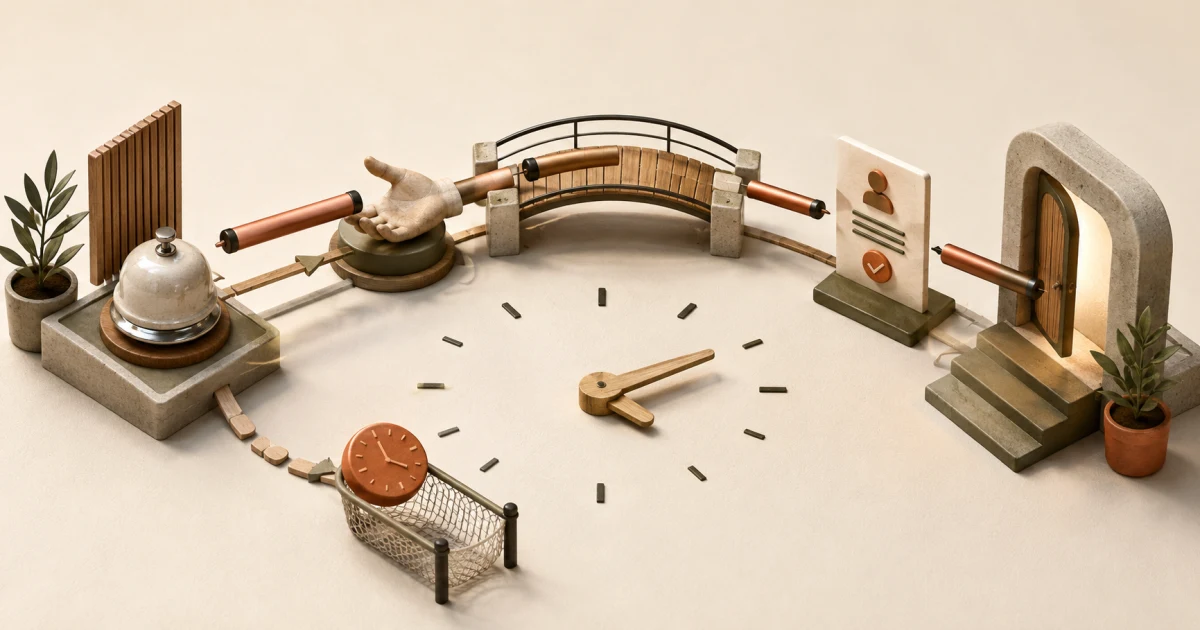
A fast reply is useless if nobody owns the next step. Build a channel-specific promise that survives peak hours, shift changes, and missed notifications.
Gym Owner Growth Series · Collection E · Guides 41-50
Give every legitimate enquiry a clear owner, useful conversation, honest next step, and measurable outcome.
The owner decision
Where do enquiries disappear, and what response, discovery, tour, and follow-up system fixes the loss?
Guide 01 A fast reply is useless if nobody owns the next step. Build a channel-specific promise that survives peak hours, shift changes, and missed notifications.
Guide 02 A missed call is not a lead until it is reconciled, owned, and given a lawful next action. Build the daily control before buying more enquiries.
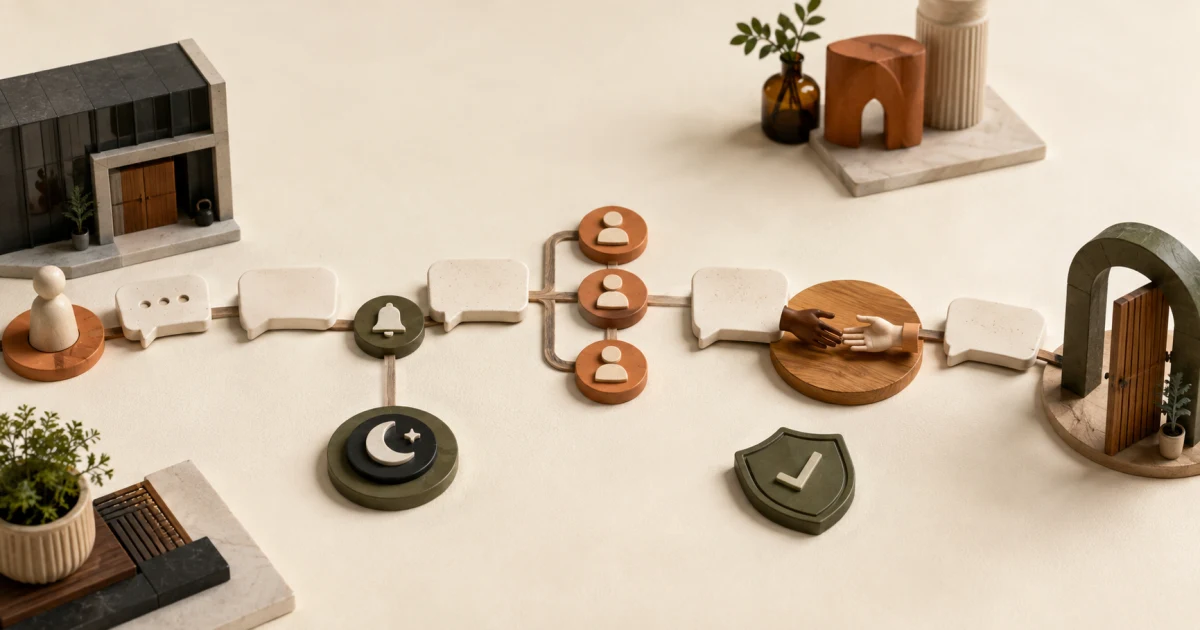
Guide 03 WhatsApp feels personal because it is personal. Preserve the prospect’s context, answer the question, ask only what changes the next step, and honour silence.
Guide 04 Discovery is not a medical intake or an interrogation. Learn what changes the recommendation, reflect it back, and admit when the gym is not the right fit.
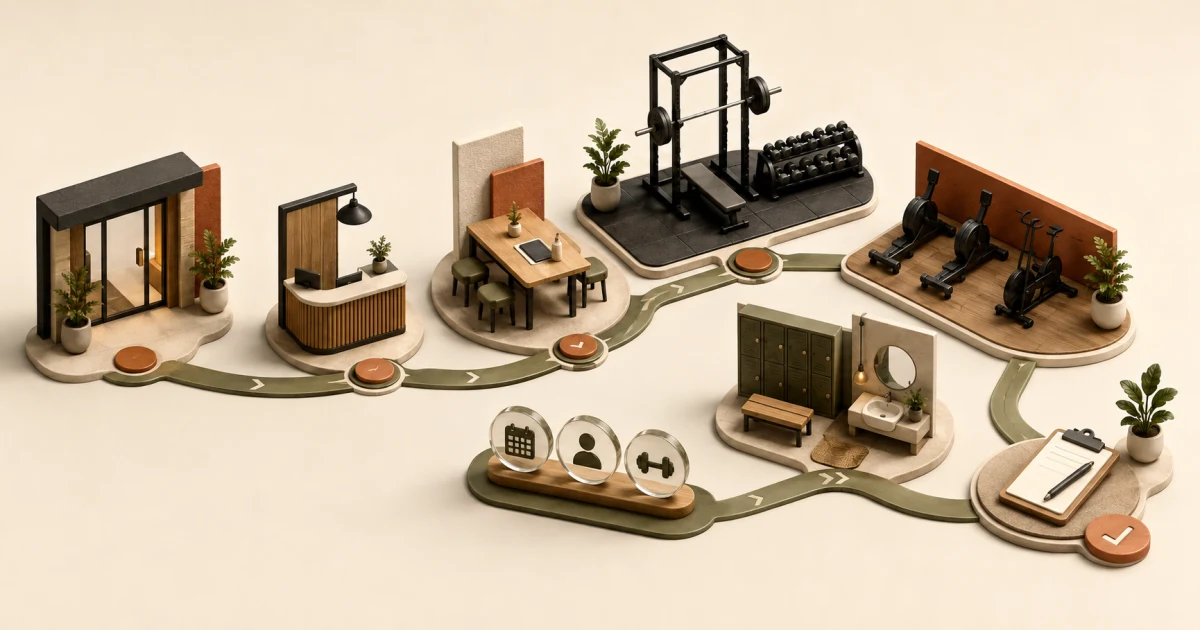
Guide 05 A tour should reduce uncertainty, not parade every machine. Prepare for the person, show the real experience, answer tradeoffs, and agree the next step.
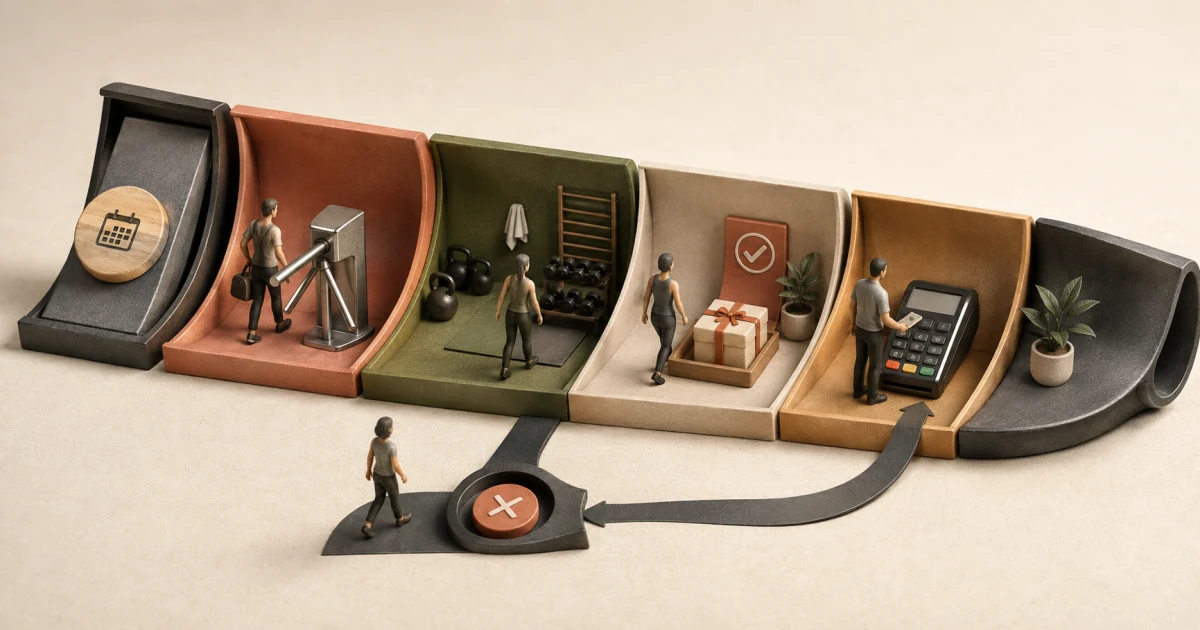
Guide 06 A trial is a small service experience, not a delayed sales pitch. Separate booking, attendance, coaching, offer clarity, and follow-up before blaming the close.
Guide 07 Price, time, confidence, and commitment are not lines to defeat. Clarify the real constraint, answer it honestly, and preserve the right to say no.
Guide 08 A score should order useful work, not declare a person valuable. Use recent actions, fit, intent, and contactability with visible weights and override rules.
Guide 09 “Not interested” hides everything the owner needs to know. Use a small evidence-based reason dictionary, preserve unknown, and review patterns without blaming prospects.
Guide 10 A pipeline is not future revenue. Convert stage counts into ranges using your own historical movement, collection rules, timing, and capacity.