
Many gym tours begin with the wrong question: “Which package do you want?” The prospect has not yet explained what they are trying to make possible.
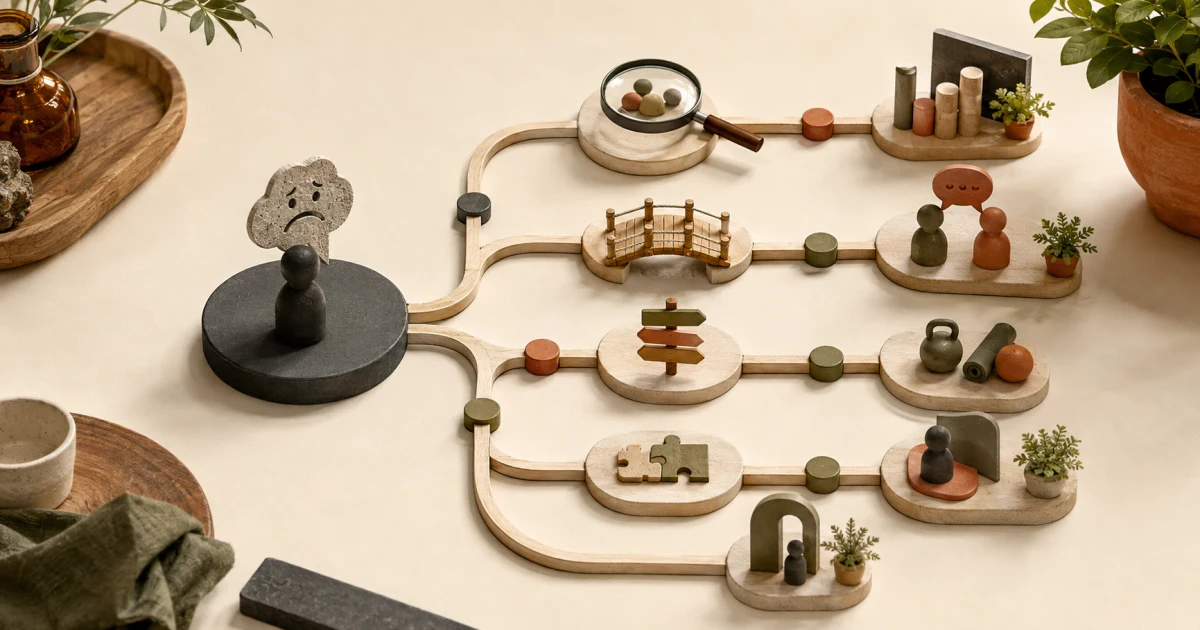
Good gym sales discovery covers desired experience, schedule, relevant training history, support preference, practical barriers, decision timing, and who else is involved. Ask permission, explain why a question matters, avoid unnecessary sensitive data, and use the answers to recommend or decline honestly.
This guide treats lead handling as an operating system, not a collection of persuasive tricks. The core owner question is: Can the staff member explain how each question changes the recommendation or next step?
Place this decision inside the Cluster E system
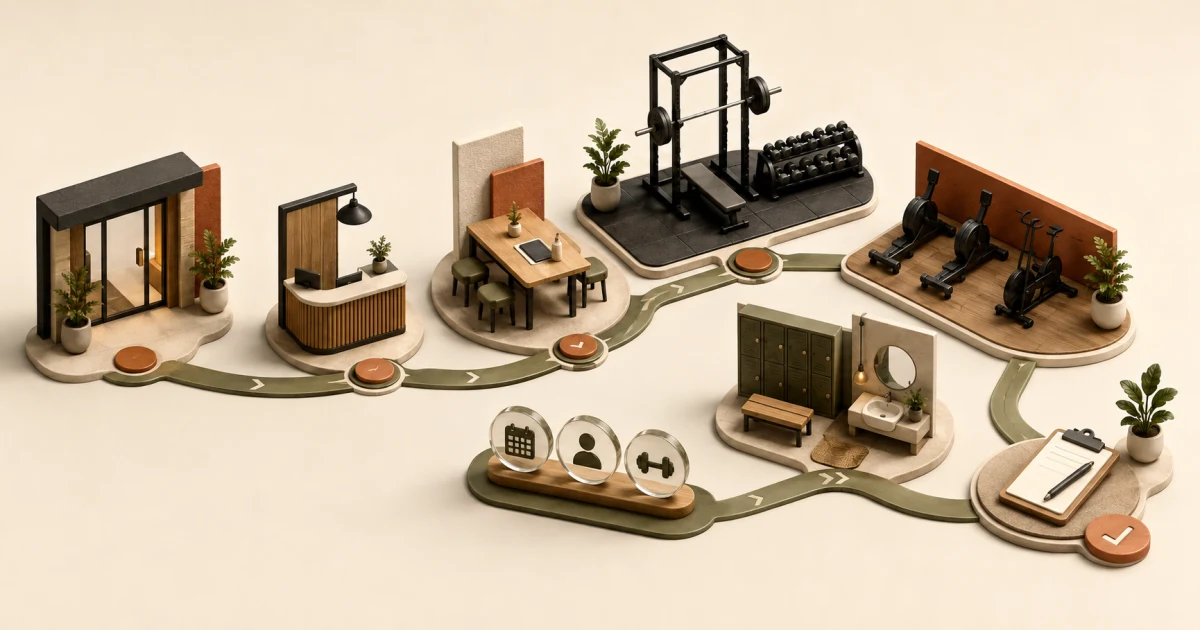
The ten guides separate failures that are often blended into one conversion number:
Start with the lead-response SLA, then use the tour checklist, objection guide, and trial conversion system where their decisions apply. A strong result in one stage cannot repair bad data or a broken handoff in another.
Define the record before measuring it
| Term | Working definition |
|---|---|
| Goal context | What the person wants their routine or experience to support, without promising an outcome. |
| Practical fit | Schedule, travel, access, class, coaching, and budget constraints. |
| Experience fit | Desired atmosphere, independence, community, and support. |
| Decision process | Timing, questions, and other people legitimately involved. |
| Boundary | Information the sales conversation should not diagnose, promise, or collect. |
Write these definitions into the operating checklist. Otherwise one staff member will count a message as contact, another will require a call, and the monthly chart will compare different events under the same name.
Run the workflow with a named owner
| Step | Required action | Accountable role |
|---|---|---|
| Open | Ask what the person wants help deciding and get permission for a few questions. | Tour host |
| Explore | Learn schedule, experience, desired support, and barriers in the person’s own words. | Tour host |
| Reflect | Summarize what you heard and invite correction. | Tour host |
| Match | Connect only verified gym features or services to the stated needs. | Tour host |
| Decide | Offer a next step, provide time to consider, or say clearly when the fit is poor. | Tour host |
The owner column cannot say “team.” Several people may contribute, but only one role should be accountable for the next due action. If responsibility changes at a shift handover, the new owner must accept it rather than inherit an invisible queue.
Use this ethical discovery guide
| Area | Question | Why it matters | Do not turn it into |
|---|---|---|---|
| Routine | What days and times could training realistically fit? | Schedule and access fit | A lecture about commitment |
| Support | Would you prefer guidance, independence, or a mix? | Service model fit | An automatic upsell |
| Experience | What has made gyms easier or harder to use before? | Friction and confidence | A demand for private history |
| Decision | What would you need to know before choosing? | Unanswered concerns | Artificial urgency |
| Constraints | Is there a practical constraint we should plan around? | Accessible next step | Medical diagnosis |
Blank cells are intentional. Fill them from the gym’s actual offer, hours, capacity, policies, and records. A copied industry number can be a question to investigate, but it is not a local operating standard.
Work through a fictional example
A fictional prospect says they want to “get fit” but can attend only at 6 a.m. and feel uncomfortable in crowded spaces. The host reflects those constraints, shows the actual early-morning environment, explains quieter periods without guaranteeing them, and offers a short supported orientation. A premium coaching package is not assumed to be the answer.
The example is deliberately fictional and is not an industry benchmark. Its purpose is to show the calculation or control path. Replace every assumption with an observed record from your gym and preserve the source period.
Measure the whole outcome, not the easiest event
Track:
- Percentage of discovery records with a clear goal, schedule, support preference, and next step
- Recommendation-to-attended-visit and paid-join rates
- Early cancellations by stated fit reason
- Missing or unnecessary sensitive fields
- Prospects explicitly marked as not a fit and why
Use consistent denominators. A contact rate, an attended-visit rate, and a paid-join rate answer different questions. Keep source, staffed period, offer, and sample size visible before comparing teams or weeks.
Protect the prospect and the quality of the decision
- Do not promise weight loss, pain relief, medical improvement, or a timeline the gym cannot substantiate.
- Do not collect medical history during routine sales discovery.
- Do not use personal insecurity to manufacture urgency.
- Do not recommend the highest price by default.
- Do not disguise a poor fit to protect a conversion target.
Fitness enquiries can reveal sensitive context even when a person never writes a diagnosis. Collect the minimum needed for the current decision, restrict access, define retention, and move exercise or medical screening into a separate qualified process when it is genuinely required.
Implement this in one operating week
- Delete questions that do not change an action.
- Add the five decision areas to the tour record.
- Practise reflective summaries, not scripts alone.
- Define referral or decline paths for poor fits.
- Review early cancellations against original discovery notes.
At the weekly review, inspect a small sample of the underlying calls, messages, visit records, stage timestamps, and collections. A tidy dashboard cannot compensate for ambiguous events or invented reasons.
Frequently asked questions
What questions should a gym ask a new prospect?
Ask about their desired experience, realistic schedule, relevant prior experience, preferred support, practical barriers, questions, decision timing, and next step. Collect only what changes the recommendation.
Should gym sales staff ask about injuries?
Routine sales discovery should not become medical screening. If safety information is required for a specific activity, use a separate qualified process with an explained purpose and appropriate access.
How can discovery improve gym conversion?
It can make the recommendation, tour, and follow-up more relevant. Measure attended visits, paid joins, early cancellations, and fit quality rather than assuming more questions automatically improve conversion.