 India
 Australia
 Bangladesh
 Brazil
 Canada
 Egypt
 Germany
 Indonesia
 Kenya
 Lebanon
 Malaysia
 Mexico
 Nepal
 Nigeria
 Pakistan
 Philippines
 Saudi Arabia
 Singapore
 South Africa
 Sri Lanka
 Thailand
 UAE
 United Kingdom
 United States
 Vietnam

Send a clear, timely reminder that states the membership end date, the member’s available options, and how to ask a question or take the next step. Use the contact channel the member agreed to, and check local rules and the membership agreement before setting reminder timing or describing renewal, cancellation, pause, or payment terms.
A useful reminder helps the member make an informed decision. It should not pressure them, hide the terms, or imply that renewal is automatic when it is not.
1. Keep membership dates accurate
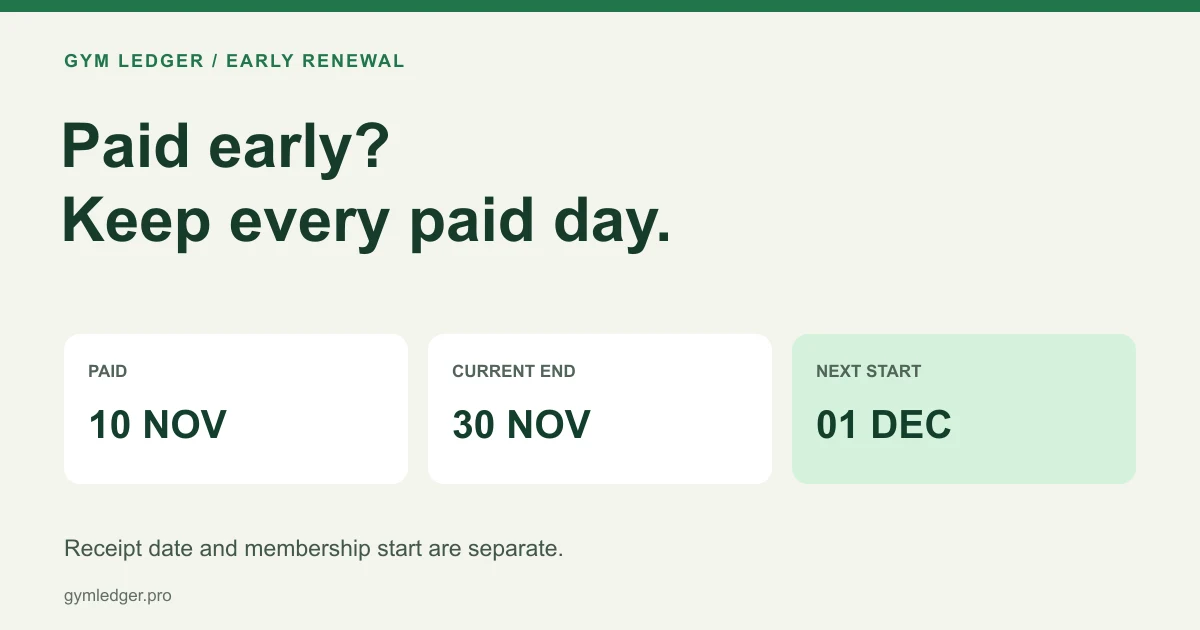
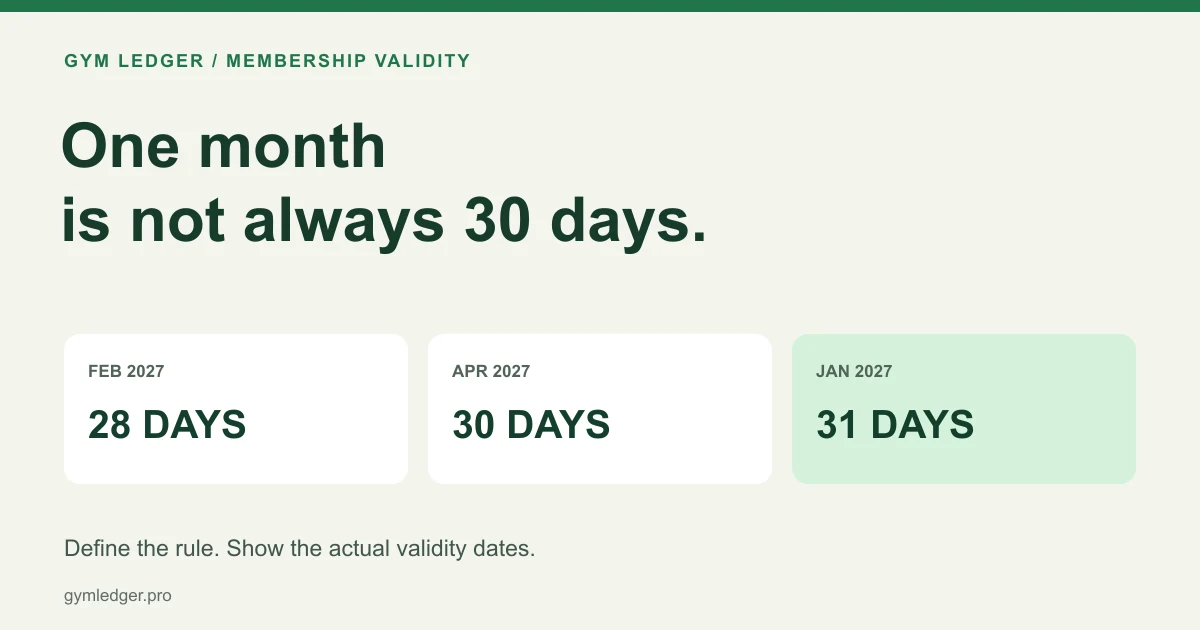
Start with reliable records. Store the membership start and end dates, plan name, payment status, renewal preference if applicable, and the date of the last contact. Use one consistent definition of when access ends. If a plan is paused, extended, or changed, update its dates as part of the same process.
Before sending a reminder, check the member record against the signed or accepted agreement and any later changes. A wrong expiry date can cause confusion, an unwanted payment, or an access problem. If the record is incomplete, ask a staff member to verify it instead of sending a guess.
2. Set a reminder schedule that follows the rules
Choose a small number of reminders your team can manage consistently. The right timing depends on the membership terms, how renewals work, member preferences, and local requirements. Do not assume one notice period applies everywhere. Check local consumer, privacy, and electronic messaging rules, and describe any required notice in the agreement and the message.
If a member has already renewed, cancelled, or asked not to receive a particular type of message, update the record before the next reminder is sent. Make it easy for staff to see the last contact and whether a reply or action is still due.
3. Write a message with the information the member needs
Use plain language and include the member’s plan end date, what happens next under the agreement, and the available action. If renewal is optional, say so. If the plan renews automatically, explain the applicable terms accurately and include the steps and deadline for changing that arrangement. Do not use a vague “act now” message when a clear date and explanation would help more.
A reminder can also offer a direct way to ask a question. Keep the tone neutral and respectful. Avoid implying that a member will lose access, owe a fee, or receive a discount unless that outcome is supported by the agreement and local rules.
4. Use the member’s agreed channel
Send reminders through a channel the member selected or agreed to use. Keep the contact preference and any opt-out visible to staff who manage messages. Do not assume that having a phone number means the member agreed to receive promotional messages on every available platform.
For email or messaging tools, check that the destination is correct and the message is sent to the intended member. If a message fails, record the failure and use only a permitted alternative channel. Do not repeatedly send the same reminder across channels without checking consent and applicable rules.
5. Give the member a simple next step
Tell the member how to renew, ask about the plan, or end the membership, depending on the options actually offered. If the gym requires a conversation or form, explain where to find it and who can help. If prices, taxes, payment methods, or cancellation requirements vary by location, confirm the current local terms before quoting them.
Do not make the process harder for someone who chooses not to renew. A clear exit path is part of a trustworthy reminder. If a member has a concern, assign a staff owner and respond to the specific question rather than sending another generic sales message.
6. Track replies and close the loop
Record when a reminder was sent, the channel used, whether it was delivered when that information is available, and what happened next. Useful outcomes may include renewed, asked a question, requested a change, cancelled, or no response. Limit notes to what staff need and restrict access to member information.
Review missed or incorrect reminders. Check for outdated dates, failed delivery, duplicate records, or a follow-up that was never completed. Fix the process that caused the problem. Do not treat an unanswered message as proof that a member has agreed to renew.
Gym Ledger is gym management software that helps gym owners manage members, payments, attendance, and communication. Its member and payment records can help staff see which memberships are approaching their end dates and whether a follow-up has been recorded. The software does not decide what terms apply; staff still need accurate agreements and local guidance.
A reminder template for a fixed-term membership
Use this example only when the plan does not renew automatically. Replace every bracketed field with a verified detail before sending:
Hi [member name], this is [staff name] from [gym]. Your [plan name] membership ends on [date]. If you want to continue, you can [actual renewal step]. If you have a question or would like to discuss another option, reply here or contact [contact route]. We will follow your existing membership terms if you choose not to renew.
Check the message against the record immediately before sending. Remove a renewal request if the member has already paid, and answer an open question before sending another reminder. For recurring memberships, write a separate message that accurately explains the next charge and applicable cancellation process. Do not adapt a fixed-term template by merely changing its date.
For the connected workflow, read our guide to building a complete renewal tracker.
Frequently asked questions
When should a gym send an expiry reminder?
Use a schedule that matches the membership agreement, member preferences, and local requirements. There is no universal notice period for every gym and location.
What should a gym membership expiry reminder include?
State the plan end date, what happens next under the agreement, the options available, and how the member can ask a question or take action.
Can a gym automatically renew a membership?
That depends on the agreement and local rules. Explain automatic renewal terms clearly before they apply, and provide any required way to change or end the arrangement.
What should staff do if a member does not respond?
Follow the gym’s permitted reminder schedule, record the contact, and do not treat silence as consent to a new term or payment unless the agreement and local rules clearly provide for that outcome.