 India
 Australia
 Bangladesh
 Brazil
 Canada
 Egypt
 Germany
 Indonesia
 Kenya
 Lebanon
 Malaysia
 Mexico
 Nepal
 Nigeria
 Pakistan
 Philippines
 Saudi Arabia
 Singapore
 South Africa
 Sri Lanka
 Thailand
 UAE
 United Kingdom
 United States
 Vietnam
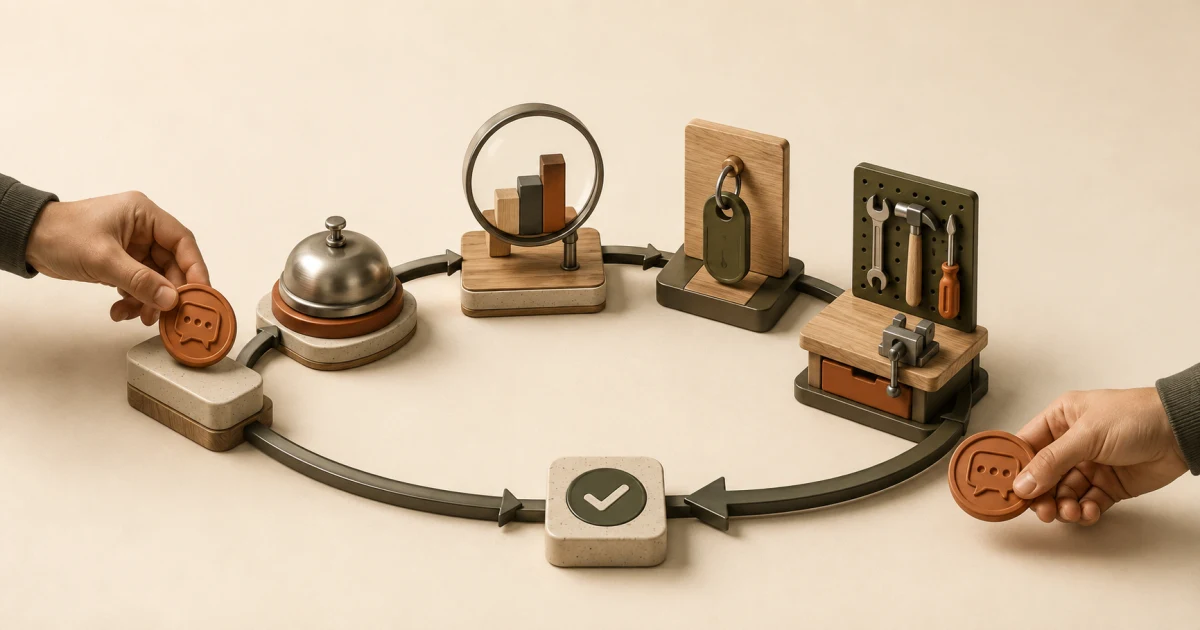
Measure gym member satisfaction by asking clear questions, collecting feedback from different member groups, and checking whether the promised fixes happen. Use a consistent survey alongside complaints, conversations, and attendance context. A single score is useful only when you know who answered, what they were asked, and what action follows.
Start small enough that staff can respond. A lengthy survey that creates an unattended backlog can damage confidence. The purpose is to understand the experience and improve it, not to collect a number for marketing.
1. Define the service questions you need answered
Choose specific parts of the experience: equipment availability, cleanliness, staff helpfulness, coaching clarity, class booking, or billing. Ask about one topic at a time. “How satisfied are you with equipment availability at your usual training time?” is easier to act on than “How amazing is our gym?”
Keep wording neutral and use a consistent response scale. Include an optional open question asking what one change would help most. If you use a recommendation question or satisfaction score, document its exact wording and calculation. Do not label a custom question as a standardized measure unless it actually follows that measure’s method. Avoid changing the scale between reports without marking the break.
2. Include people beyond the regulars at reception
Seek feedback from new members, established members, different session times, plan types, and branches. Staff conversations with familiar regulars are valuable, but they do not represent everyone. Members who rarely attend may have important feedback and may also prefer limited contact.
Use permitted contact channels and respect opt-outs. Offer an accessible route for people who cannot or do not want to use a particular app. Track invitations and responses so you can see which groups are missing. Do not pressure members to answer while a trainer watches. Where anonymity is offered, design the process so you can honestly explain what information is and is not identifiable.
3. Separate general feedback from urgent concerns
Tell members how to raise safety issues, harassment, billing disputes, or sensitive complaints directly. A routine survey is not a reliable emergency channel. Make responsibility and escalation clear, and restrict access to sensitive details.
For ordinary comments, record the topic, date, responsible person, next action, and resolution status. Avoid copying personal allegations into widely shared staff documents. A complaint about one broken machine can go to the maintenance owner; a complaint about conduct may need a private management process. This distinction helps the team respond appropriately rather than treating every comment as another survey row.
4. Interpret scores with context
Report the number of respondents, collection period, question wording, and relevant member groups alongside the score. A small or uneven response group should not be presented as the voice of all members. Check whether an unusually busy period, closure, or plan change affected the responses.
Compare like with like. If the question or audience changes, explain it. Read open comments to understand what a score might mean, but avoid treating a vivid complaint as proof that everyone feels the same way. Similarly, a high score does not cancel an individual unresolved problem. Use the results to identify a question worth investigating, then check the operational evidence.
5. Convert findings into specific service actions
Choose a manageable set of improvements and give each one an owner and completion date. “Improve cleanliness” is too vague. A concrete action could be assigning a changing-room check to each shift and recording unresolved maintenance separately from cleaning tasks.
Tell members what you heard and what you are doing, without exposing individual responses. Where you cannot make a requested change, explain the constraint honestly. Do not promise new equipment, longer hours, or additional classes before confirming feasibility. Track whether the action was completed and whether the related feedback improved. Sending an acknowledgement is not the same as resolving the issue.
6. Make feedback part of a repeatable review
Use short check-ins at meaningful points, such as after onboarding or after an issue is resolved, alongside a periodic broader survey. Avoid repeatedly asking the same members questions without showing any progress. Keep an invitation and response history so staff can coordinate contact.
Combine survey findings with service records and clearly defined retention measures. Attendance decline may prompt a question, but it does not reveal satisfaction by itself. The absence follow-up guide explains how to ask without assumptions. Review whether your feedback process reaches quieter members and whether staff have enough authority to complete the fixes assigned to them.
FAQ
What is a good satisfaction score for a gym?
There is no useful universal answer without a defined question, scale, audience, and period. Start with your own consistent baseline and examine the specific service issues behind changes.
Should gym surveys be anonymous?
An anonymous option may help some members speak freely. Explain the privacy limits accurately and offer a separate contact route for people who want a personal response or resolution.
How often should I ask for feedback?
Use a cadence that fits the service and your ability to respond. Ask at meaningful moments and avoid repeatedly surveying members while previous concerns remain unresolved.
Can attendance records replace satisfaction surveys?
No. Attendance shows visits when recorded correctly, not the member’s opinion. Use it as context and ask members directly about their experience without assuming why their routine changed.